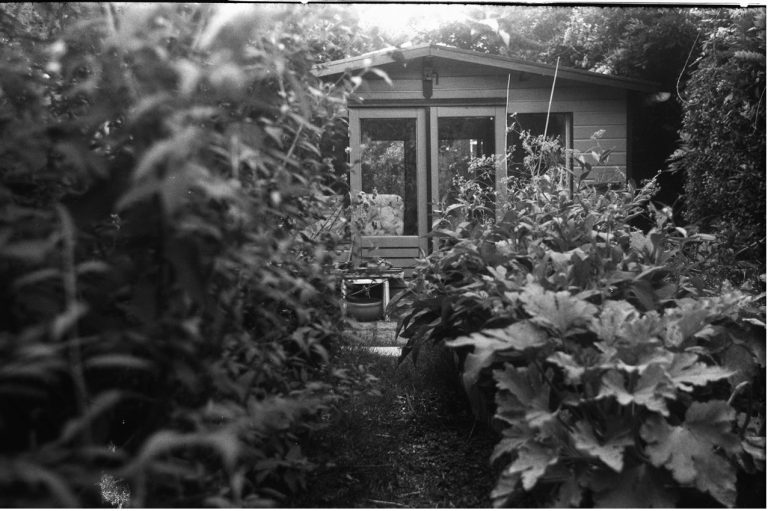
The garden as Method
For seven years, I have cultivated and worked a plot at VTV Tuinderslust, an allotment garden in Rotterdam, alongside people I would not otherwise have met. Over time, the garden has transformed how I understand artistic production.
A garden is never produced by one person alone. It takes shape through shared work: preparing the soil, planting, watering, repairing paths and structures, exchanging seeds and knowledge, responding to weather, and maintaining how the shared space is used. The garden is shaped not only by the person tending a plot, but by other gardeners, plants, animals, materials and forces beyond our control.
The garden has become more than the subject of my work. It has become the condition through which the work is produced. VTV Tuinderslust is ninety-one years old, which means no one now living was present when its earliest rules were made. The association continues through a process of renewal: decisions are revised at each meeting by whoever holds a plot at that moment, allowing the structure to change while remaining recognisable as the same structure. The association is made of positions that people enter and temporarily inhabit.
Existing in the condition of multiplicity, the garden taught me to work within these conditions. This experience resonates with Taoist thought, particularly the writings of Zhuangzi, where understanding develops through embodied practice. The cook and the wheelwright do not separate knowledge from action; their knowledge is relational, situated and difficult to fully translate into abstract principles.
This perspective also shapes how I understand knowledge within ecological systems. While ecological discourse has challenged the separation between humans and nature, my practice approaches this relationship through particular people, materials and places.
The garden existed long before I entered it and will continue afterwards. It cannot be designed, controlled or concluded by an artist. Artistic knowledge here emerges through inhabiting conditions together with others.